
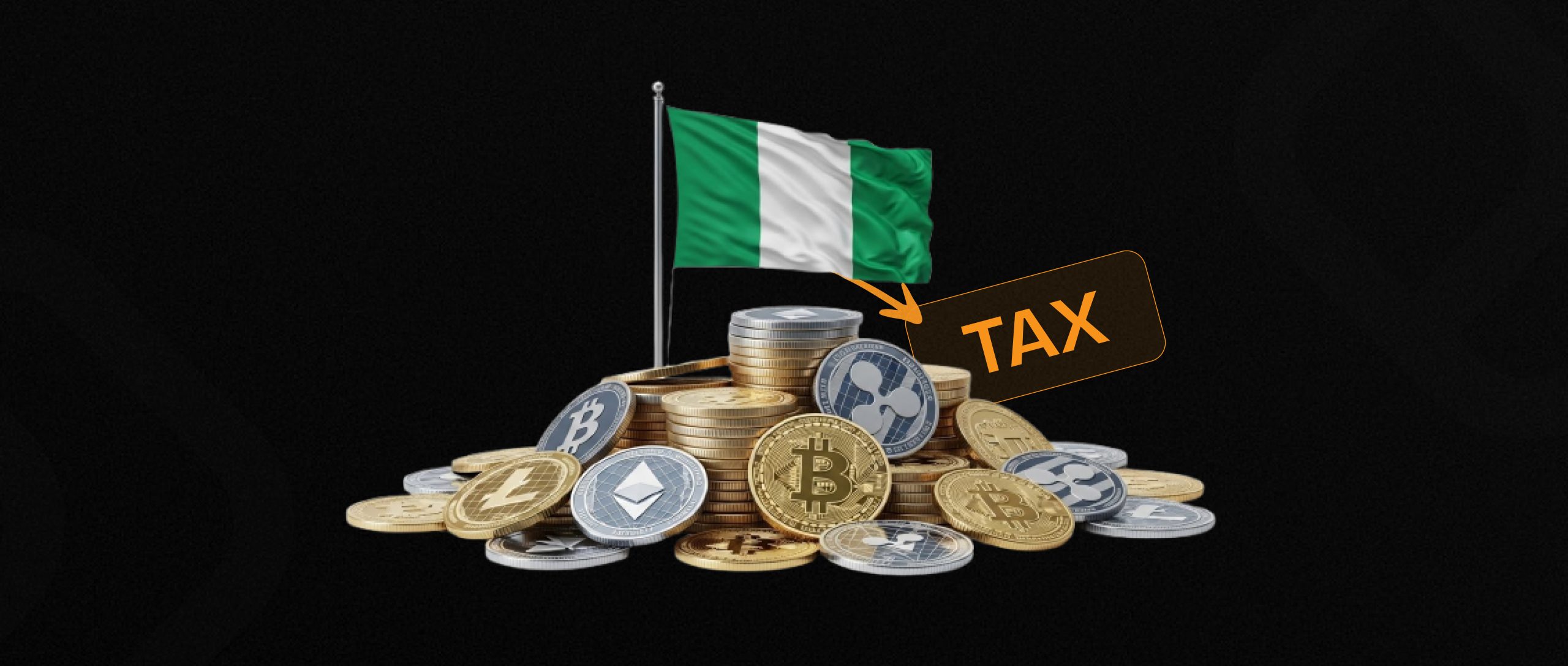

If you’ve been trading, staking, or generally using crypto in Nigeria, things are about to shift. The government is setting up new rules to bring crypto gains into the tax net. These changes aren’t just for big players, but everyday crypto users will feel them too.
Between July 2024 and June 2025, Nigeria’s crypto transaction volume hit $92.1 billion. So even modest profits across that huge activity add up to serious tax potential for authorities.
What’s Changing in Nigeria’s Tax Framework
The government is rolling out a new tax framework under the Nigeria Tax Act, 2025, set to take effect January 1, 2026. One of the major changes: crypto gains will be taxed at 15%, but only on profits above ₦800,000.
Imagine you bought Bitcoin for ₦2 million and later sold it for ₦3 million. Your gain is ₦1 million. Under the new law, the first ₦800,000 is untaxed; the remaining ₦200,000 is taxed at 15%. So you’ll pay ₦30,000 in tax.
The rest? Untaxed. Losses? No offset allowed.
This policy is part of a bigger reform where multiple tax laws (Capital Gains Tax, Personal Income Tax, VAT, etc.) are being consolidated and modernized.
Moreso, crypto platforms and Virtual Asset Service Providers (VASPs) will be required to track, report, and share detailed user transaction data with tax authorities. Noncompliance carries stiff penalties: fines of ₦10 million for the first month, then ₦1 million monthly, and possible license revocations.
They also must declare each sale, transfer, or exchange, along with user identity and values at the time of each transaction.
What Counts as a “Taxable Event?”
Not all crypto activity will lead to tax. Here’s what will trigger liability under the new rules:
- Selling or trading crypto for a higher price
- Swapping one crypto for another
- Spending crypto (e.g. using it to pay for goods or services)
- Earning crypto (staking rewards, airdrops) may also be treated as income in some cases.
But one thing the law gets right: simply holding crypto without trading it doesn’t attract tax. You only pay when you realize a gain.
How This Affects Everyday Crypto Users
Profits Are Taxable
If you buy crypto and later sell for more, that gain is now likely taxable. Whether you’re trading or cashing out portions of your holdings, those gains may need to be reported.
Small Gains Are Safer (for Now)
If your gain does not cross ₦800,000, you may not pay tax. But that doesn’t mean you skip record keeping; it just gives you a buffer.
No Loss Relief
The new rules currently do not allow you to deduct losses from profits. If one trade loses money, it can’t be subtracted from your taxable gains.
Exchanges & Platforms Are Under the Spotlight
Because platforms will report your trades, even P2P users should be cautious. Authorities may trace transactions back.
Timing Matters
These tax rules begin January 2026. Gains before then might still fall under older rules or be in a grey zone.
What Exchanges & Platforms Will Do (And What You Should Watch Out For)
Under the new law:
- Crypto platforms (VASPs) must report all your transactions: sale, exchange, ownership changes to tax authorities.
- They’ll face stiff penalties for noncompliance: 10 million in month one, 1 million monthly afterwards, and potential license suspension or revocation.
- They need to collect customer identity data (KYC) and integrate with tax systems.
What Should You Expect as a Cryptocurrency Investor?
- Expect to share more data when you use exchanges (proof of identity, transaction history).
- Be extra vigilant about using unlicensed or offshore platforms. They may refuse to report, but that increases risk.
- Maintain clean, auditable records.
Why the Government Did This (And Why It’s Not All Bad)
Yes, this move means more reporting and tax responsibility, but there are reasons behind it:
- Revenue Boost: Nigeria’s crypto trade is huge: the government wants a share.
- Formalization: By taxing crypto, it brings the sector into the “official economy,” reducing underground or illicit trades.
- Clarity & legitimacy: A clear tax rule gives legitimacy to crypto businesses and users, reducing gray zones.
- Alignment with global standards: Many nations are doing the same; Nigeria wants to stay compliant.
Some experts call the regime progressive, because it doesn’t tax holding, and gives a threshold buffer.
What You Should Do Now (Before 2026 Rolls in)
- Track everything: Buy date, sell date, amount, fees, crypto amounts, Naira equivalent.
- Use registered exchanges: Safer in the long run and more likely to comply.
- Plan your trades: Spread out big sales across years maybe, to avoid flushing gains above ₦800,000.
- Stay informed: Regulations may evolve. Keep an eye on SEC, FIRS updates.
- Get advice: Consult with a tax expert familiar with crypto.
Also remember: the new tax kicks in January 2026, so trades before then might still be under old rules.
The Bigger Picture?
Taxing crypto does not mean the end of opportunity. It means a more mature, regulated ecosystem where users and platforms must level up.
If you stay organized, smart, and compliant, your crypto gains that survive will be stronger; and less at risk of legal surprises. And if you want a platform built for this new era; one that helps you trade, report, and comply, Bitoshi is the platform for you.